How to Leverage Social Media for Game Promotions
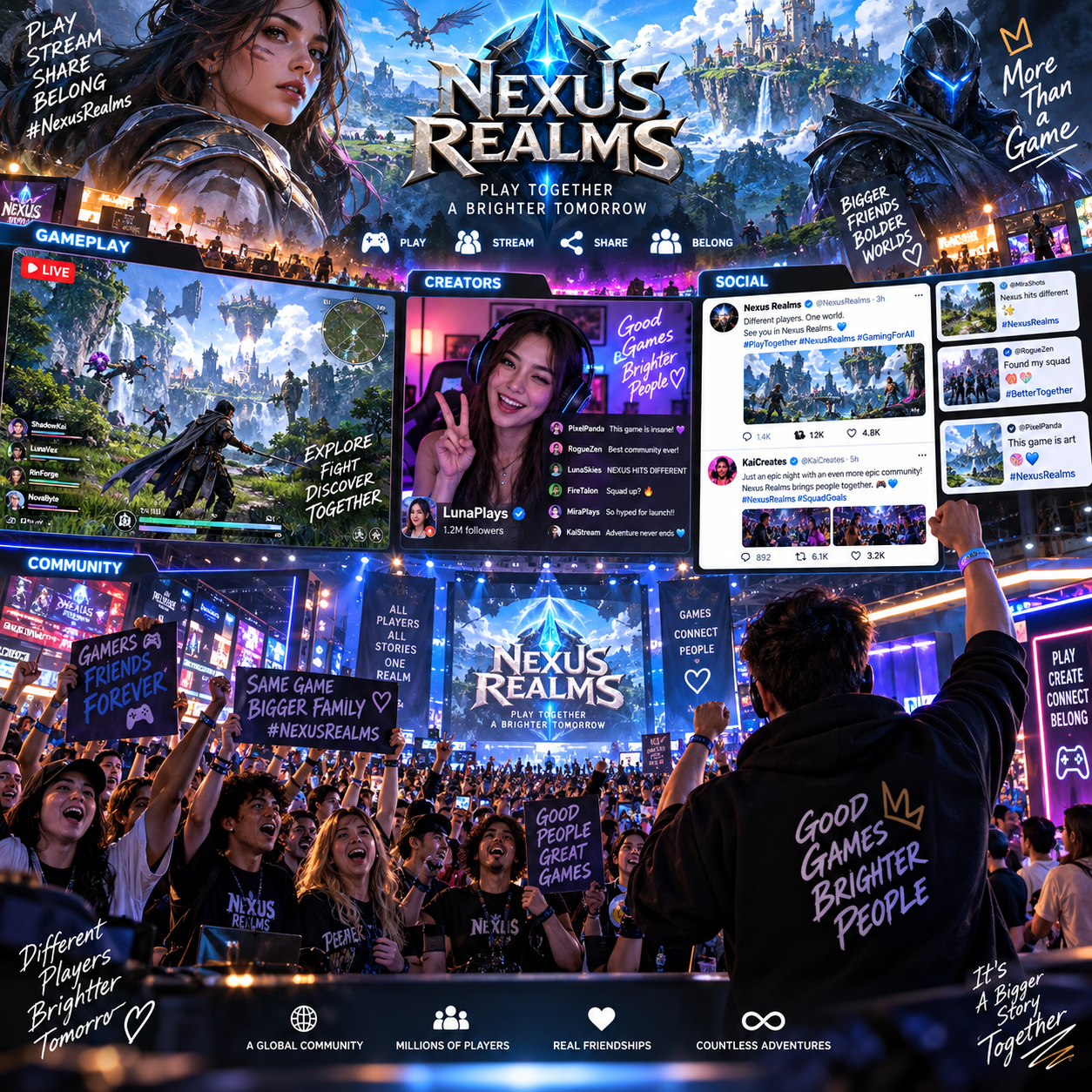
Social media marketing can turn an unknown game into a conversation players want to join. The strongest game promotion campaigns combine clear positioning, platform-specific content, creator partnerships, community management, and measurable calls to action. They also begin before the game launch and continue after release, when player feedback and user-generated content can extend attention.
There is no universal formula for downloads, sales, or virality. A strategy that works for a competitive PC game may fail for a family-friendly mobile title. Use the following framework to match your promotional activity with the right audience, game stage, and business objective.
Define Your Game Audience and Promotional Goals
Your target audience and promotional goals should determine every social media decision. Start by defining who is most likely to play the game, what motivates them, and what action you want them to take.
Describe the audience using practical details rather than broad labels. Genre, platform, age range, location, preferred play style, and spending behavior all matter. A cooperative survival game may appeal to players who value teamwork and livestream interaction, while a narrative adventure may attract audiences interested in characters, world-building, and cinematic storytelling.
Next, choose one primary objective for each campaign phase:
- Awareness: Reach people who have never heard of the game.
- Consideration: Generate video views, follows, wish-list additions, email sign-ups, or demo downloads.
- Launch action: Drive purchases, installations, registrations, or participation in an event.
- Retention: Bring players back through updates, challenges, seasonal content, and community conversation.
Separate business outcomes from supporting engagement metrics. A high view count can be useful, but it does not automatically indicate purchase intent. Write a simple campaign statement such as: We will reach strategy-game players on PC and convert interested viewers into wish-list additions through short gameplay demonstrations. This gives the team a clear basis for creative and channel decisions.
Choose the Right Social Media Platforms
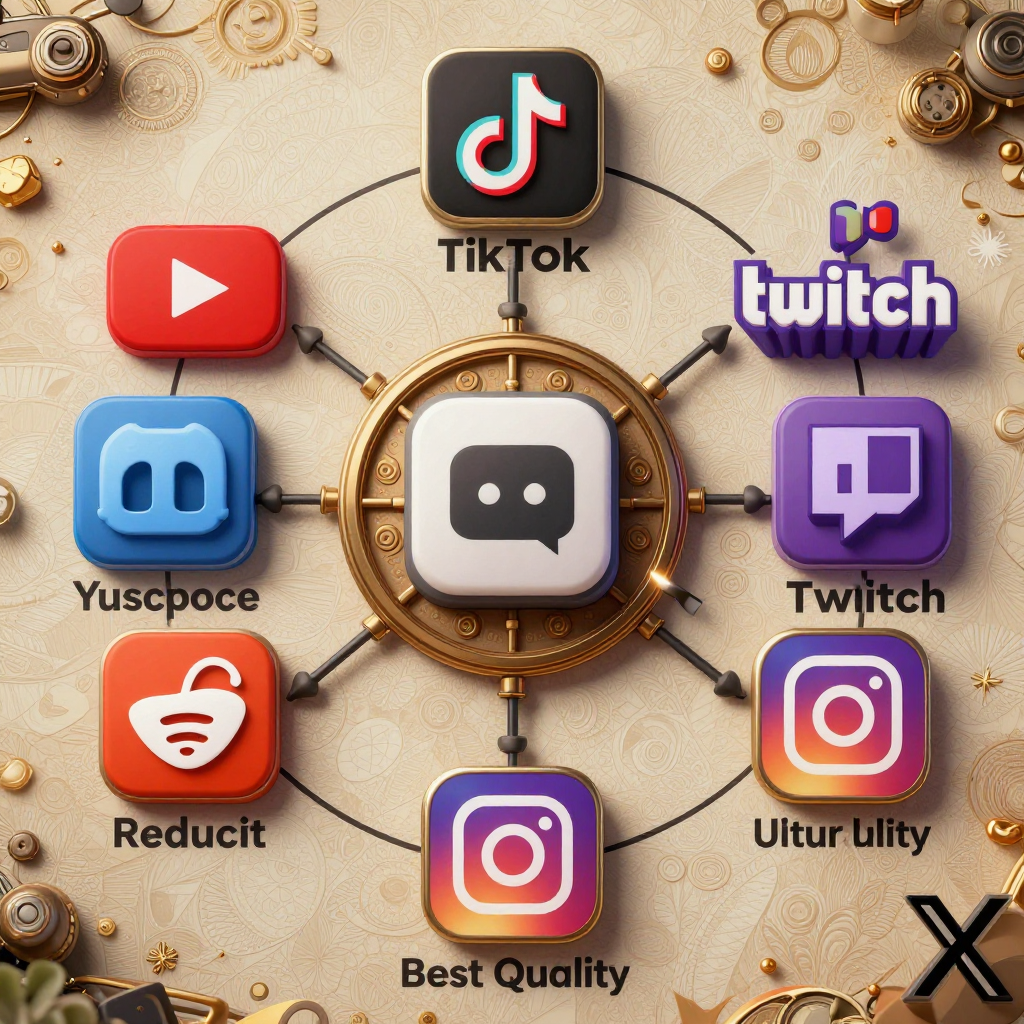
The best social media platform for promoting a game is the one that matches its audience, content format, and conversion path. Treat platforms as different media environments rather than identical places to repost the same message.
- TikTok: Useful for fast discovery, funny moments, surprising mechanics, challenges, and short gameplay clips. The opening seconds must communicate why the viewer should keep watching.
- Instagram: Well suited to polished screenshots, Reels, character art, Stories, launch reminders, and visual brand building. Stories can support polls, questions, and limited-time announcements.
- YouTube: Supports trailers, developer diaries, tutorials, longer gameplay demonstrations, update videos, and searchable evergreen content. It is valuable when players need context before committing.
- Twitch: Strong for live demonstrations, creator playthroughs, competitive games, and real-time audience interaction. The game must produce an enjoyable viewing experience, not only an enjoyable playing experience.
- X: Useful for development updates, patch notes, event announcements, industry conversation, and direct communication with players. Its fast pace rewards timely, specific posts.
- Discord: Effective for owned community management, playtests, feedback, support, and early access communication. It requires active moderation and clear channel organization.
- Reddit: Can connect a game with focused interest groups, but promotional posts must follow each community's rules and contribute genuine value. Copy-and-paste advertising often damages trust.
Choose one discovery channel, one depth channel, and one community channel to begin. For example, TikTok can create awareness, YouTube can explain the game, and Discord can retain interested players. This focused approach is usually easier to manage than maintaining seven inactive accounts.
Build a Social Media Content Strategy
A game promotion content strategy should show the player experience repeatedly in different formats. Build a content calendar that balances demonstration, personality, information, and participation instead of publishing only polished advertisements.
Useful content pillars include:
- Gameplay proof: Short clips showing combat, building, puzzles, movement, multiplayer interaction, or a distinctive mechanic.
- World and characters: Screenshots, lore snippets, character introductions, concept art, and environment tours.
- Development access: Behind-the-scenes footage, developer updates, animation tests, sound design, and explanations of difficult production choices.
- Announcements: Release dates, demos, updates, events, platform availability, discounts, and feature reveals.
- Participation: Polls, questions, caption contests, livestreams, challenges, and requests for player feedback.
Repurpose one strong asset without publishing it identically everywhere. A five-minute developer video can become a YouTube upload, three short clips, an Instagram Reel, a quote graphic, and a Discord discussion prompt. Each version should suit the platform and include a relevant call to action.
A practical content calendar might include three to five organic posts per week, one interactive session, and a monthly review of results. Frequency matters less than consistency and usefulness. Make the value proposition visible: explain whether the game offers strategic depth, relaxing exploration, social competition, emergent comedy, or a compelling story.
Create Momentum Before and During Launch
Begin social media promotion several weeks or months before launch, then increase clarity and urgency as release approaches. Early content builds recognition, while launch content converts attention into a specific action.
During the pre-launch period, use teasers that reveal enough to create interest without hiding the game's basic identity. Show a mechanic, character, setting, or moment of tension. Include a wish-list, sign-up, demo, or notification prompt whenever the relevant store or platform supports it.
A simple launch sequence can look like this:
- Six to eight weeks before launch: Establish the premise, audience, visual identity, and primary gameplay loop.
- Three to four weeks before launch: Publish feature demonstrations, creator previews, developer updates, and community questions.
- Final week: Use a countdown, release-time details, platform information, review or preview coverage, and reminders about the desired action.
- Launch day: Coordinate the store link, trailer, livestreams, creator posts, team responses, and troubleshooting information.
- First two weeks after launch: Share player reactions, fixes, updates, highlights, and answers to recurring questions.
Coordinate announcements across owned channels and partners, but leave room for authentic creator voices. A scripted post may communicate the date accurately; a creator explaining why a mechanic surprised them can make the game feel more tangible. Avoid artificial scarcity or misleading claims, especially when launch features may change.
Use Influencers, Communities, and User-Generated Content
Influencer marketing and community management work best when creators and players receive a genuine reason to participate. Choose partners for audience relevance, communication quality, and trust rather than follower count alone.
Review a creator's recent content before contacting them. Check whether their viewers play the same genre, whether their engagement appears meaningful, and whether they explain sponsored relationships clearly. A smaller creator with an active audience can provide more useful feedback and conversation than a large generalist channel.
Give creators practical materials: a review or preview build, key facts, technical requirements, approved assets, disclosure guidance, and a direct contact for questions. Do not demand a fixed opinion. Honest criticism may identify problems before launch and can make positive coverage more credible.
Community management is an ongoing responsibility. Respond to questions, acknowledge bugs, summarize feedback, and explain what the team can or cannot change. In Discord, use separate channels for announcements, support, feedback, and casual conversation. On Reddit or other third-party communities, follow local rules and contribute before asking for attention.
Encourage user-generated content with prompts that fit the game: share a creative build, post a speedrun, show a multiplayer fail, submit a fan theory, or participate in a themed screenshot event. Ask permission before reusing player content, credit the creator, and moderate harmful or abusive submissions. UGC can extend the campaign, but it must remain voluntary and respectful.
Support Promotion with Paid Social Campaigns
Paid social advertising should amplify proven creative and move a defined audience toward a measurable action. Use it to extend reach, test positioning, and retarget people who already showed interest rather than replacing organic community work.
Start with one campaign objective, such as video views, landing-page visits, sign-ups, wish-list actions, or installs. Build audiences around relevant interests, platform behavior, geography, age requirements, and existing engagement. Retarget viewers or site visitors with a more specific message, such as a demo reminder or launch announcement.
Test variables that can change performance:
- The first two seconds of a video.
- Gameplay footage versus cinematic footage.
- Text focused on the genre, mechanic, story, or social experience.
- A direct call to action versus a softer discovery prompt.
- Vertical, square, and landscape creative formats.
Do not judge an advertisement only by its click-through rate. A cheap click is unhelpful if visitors do not sign up, download, or purchase. Compare creative by the complete path from impression to conversion, and pause variations that attract attention from the wrong audience. Paid promotion can provide scale, but it also exposes weak messaging quickly and consumes budget while testing.
Measure Results and Optimize the Campaign
Measure game promotion by connecting social activity to meaningful player actions, not by follower count alone. Track the full journey from reach and attention to visits, sign-ups, downloads, purchases, and retention.
Organize engagement metrics into four layers:
- Visibility: Reach, impressions, video views, watch time, and completion rate.
- Interest: Profile visits, saves, comments, shares, click-through rate, wish-list additions, and sign-ups.
- Conversion: Demo downloads, installations, purchases, registrations, or event participation.
- Efficiency and quality: Cost per click, cost per sign-up, cost per install, conversion rate, refund patterns, and returning-player activity.
Use platform analytics alongside store dashboards, tagged campaign links, and a simple reporting sheet. Compare results by platform, creative theme, audience, creator, and campaign stage. For example, TikTok may produce inexpensive awareness while YouTube generates fewer but more qualified visits. That is not a contradiction; the channels may serve different roles.
Review performance weekly during launch and less frequently during stable periods. Ask three questions: Which audience responded? Which message produced the strongest downstream action? Where did interested people stop? If video completion is high but clicks are low, strengthen the call to action. If clicks are high but downloads are weak, inspect the landing page, store listing, price, technical requirements, or message match.
Frequently Asked Questions
Which social media platform is best for promoting a game?
The best platform depends on the game and its audience. TikTok and Instagram can support discovery, YouTube can explain gameplay, Twitch can demonstrate live interaction, and Discord can build an owned community. Start with channels that match the game's strongest content and player behavior.
What type of content works best for game promotions?
Content that clearly demonstrates the game usually performs best: short gameplay clips, feature explanations, creator playthroughs, behind-the-scenes material, player reactions, and useful launch information. Show the experience quickly and give viewers a clear next step.
How early should social media promotion begin before a game launch?
Begin when you have a stable visual identity and a credible gameplay message. Many teams begin several months before launch, then increase posting and creator activity during the final six to eight weeks. The right timing depends on development certainty and the length of the wish-list or sign-up period.
Should game developers work with influencers?
Yes, when the creator's audience fits the game and the collaboration is transparent. Relevant creators can provide reach, demonstrations, feedback, and social proof. Evaluate audience quality and content fit rather than selecting partners solely by follower count.
How can social media game promotion results be measured?
Track reach, watch time, engagement, clicks, sign-ups, wish-list additions, downloads, purchases, conversion rate, and cost efficiency. Use tagged links and platform analytics to connect each activity with the next stage of the player journey.
Effective game promotion is a sequence, not a single post. Define the audience, choose focused channels, publish convincing gameplay evidence, involve trusted creators, manage the community carefully, and improve the campaign using conversion data. Social media then becomes more than a broadcast tool: it becomes a practical system for discovery, trust, launch momentum, and long-term player communication.