How Game Promotions Influence Player Retention: What Keeps Players Coming Back
Game promotions are one of the most powerful tools casual gaming platforms have for keeping players engaged. Whether it's a daily login bonus, a seasonal event, or a personalized offer that appears right when interest starts to fade, promotions shape the entire rhythm of how players interact with a game over time. Understanding why they work — and when they work best — reveals a lot about what makes a gaming experience genuinely enjoyable rather than just habit-forming.
The Link Between Promotions and Player Loyalty
Promotions build player loyalty by creating consistent reasons to return. Rather than relying purely on core gameplay to sustain interest, well-designed incentive structures give players something to anticipate, collect, or unlock — turning each session into part of a larger story.
In online gaming environments, player retention is one of the most closely watched indicators of a platform's health. Acquiring a new player costs significantly more than keeping an existing one engaged, which is why game promotions have moved from a nice-to-have into a foundational part of platform strategy.
The relationship isn't purely transactional, though. When a promotion feels relevant and well-timed, it reinforces the sense that the platform understands what a player values. That feeling of being recognized — even by an algorithm — creates a subtle but real sense of loyalty. Players don't just return for the bonus; they return because the experience feels rewarding.
Types of Game Promotions That Impact Retention
The most effective promotion types for retention include daily rewards, welcome bonuses, limited-time events, and tiered loyalty schemes — each serving a different stage of the player lifecycle.
- Welcome bonuses reduce the friction of starting. A new player who receives immediate value is far more likely to explore the platform long enough to find games they genuinely enjoy.
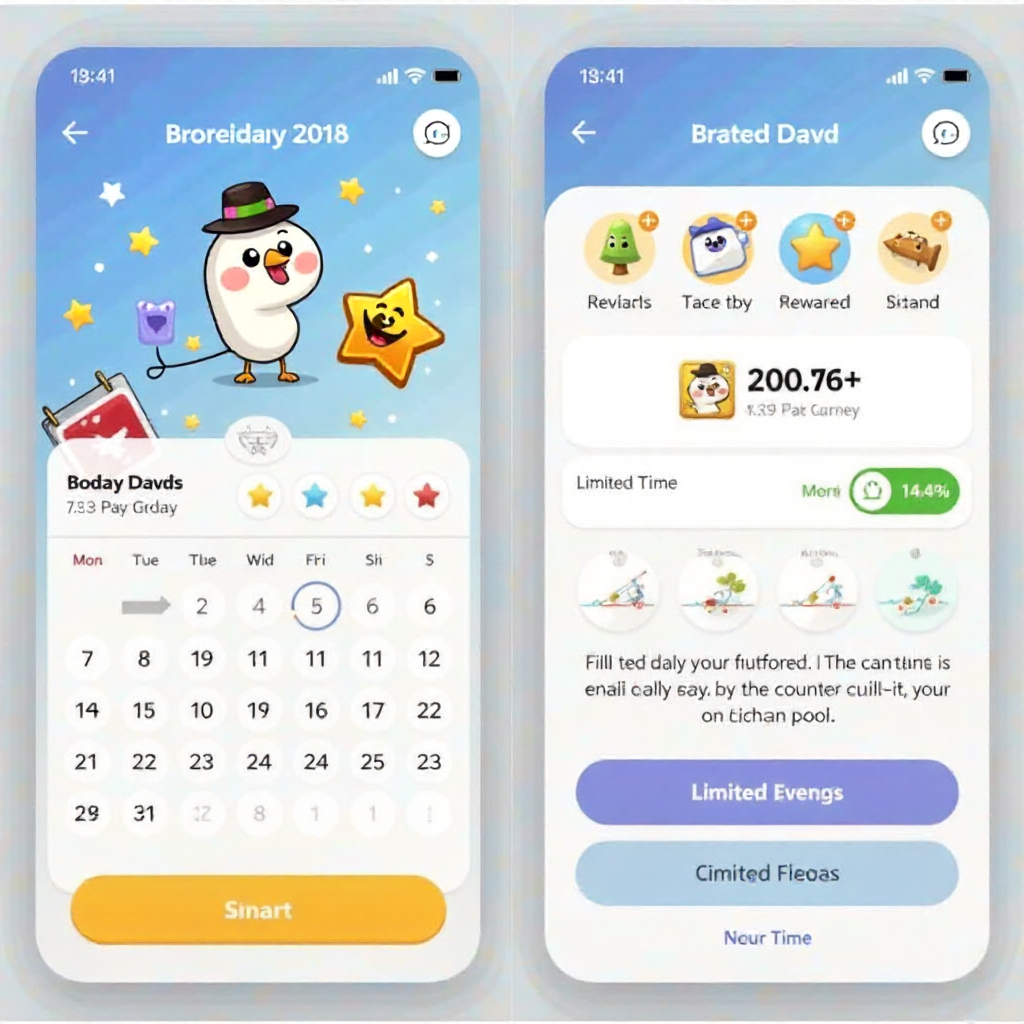
- Daily login rewards create a low-effort habit. The simple act of checking in each day builds a routine, and routines are the foundation of long-term engagement.
- Limited-time events inject urgency and novelty. Seasonal promotions — holiday themes, anniversary events, weekend tournaments — give returning players a fresh reason to engage even after the core gameplay has become familiar.
- Bonus incentives tied to milestones reward progress. Reaching a certain level or completing a challenge and receiving an unexpected reward creates a moment of genuine delight.
Each format targets a different psychological need. Daily rewards address consistency, events address novelty, and milestone bonuses address the human desire for recognition. Platforms that combine several of these formats tend to see stronger overall retention than those relying on a single approach.
The Psychology Behind Promotional Incentives
Promotions work because they tap into reward loops — cycles of action, feedback, and reward that the brain finds deeply satisfying. This isn't a manipulation trick; it's simply how humans are wired to respond to progress and recognition.
The concept of variable reinforcement is particularly relevant here. When rewards are predictable, they become background noise. But when they vary — sometimes you get a small bonus, sometimes a surprisingly generous one — the anticipation itself becomes part of the appeal. Slot-style reward mechanics in casual games exploit this dynamic in a benign way: the uncertainty keeps players curious.
FOMO — the fear of missing out — plays a significant role in how limited-time offers drive behavior. When a player knows a special event ends in 48 hours, the decision to log in shifts from passive to active. They're not just playing; they're making a choice to participate in something that won't be available again. That sense of stakes, however low, makes the session feel more meaningful.
What's worth noting is that these psychological mechanisms work best when the underlying gameplay is enjoyable. Promotions can bring a player back, but only the game itself can make them glad they returned.
Timing and Frequency: When Promotions Work Best
The timing of a promotion matters as much as its content. Offers delivered during churn-risk windows — periods when a player's activity has started to drop — are dramatically more effective than the same offer sent during peak engagement.
Most platforms track behavioral signals: fewer sessions per week, shorter average session length, longer gaps between logins. When these signals appear, a well-timed re-engagement campaign can reset a player's relationship with the platform before they drift away entirely. A simple "We've missed you — here's a bonus to come back" message, sent at the right moment, can recover players who would otherwise churn.
Frequency is a trickier balance. Too few promotions and players feel undervalued; too many and the offers lose meaning. A practical rhythm that many casual gaming platforms find effective is a combination of daily micro-rewards (login bonuses), weekly mid-tier events, and monthly or seasonal major promotions. This layered structure keeps the experience feeling fresh without overwhelming players with constant notifications.
Loyalty Programs and Long-Term Engagement
Tiered loyalty programs are among the most effective tools for sustaining engagement over months rather than days. By giving players a visible progression system — bronze, silver, gold, VIP — platforms create a sense of identity and investment that goes beyond any single session.
The key mechanism is sunk cost motivation, applied in a positive direction. A player who has reached gold tier isn't just playing for fun; they're protecting and building on something they've earned. Dropping a tier feels like a loss, which creates a gentle but genuine incentive to stay active.
Loyalty programs also allow platforms to reward their most engaged players in ways that feel genuinely exclusive — early access to new games, higher-value bonus incentives, dedicated support. These perks reinforce the sense that long-term commitment is recognized and valued, which is one of the most reliable drivers of sustained play.
The Role of Personalization in Promotional Effectiveness
Personalized promotions consistently outperform generic ones because they feel relevant rather than routine. A player who primarily enjoys puzzle games and receives a bonus specifically tied to a new puzzle release is far more likely to engage than one who receives a blanket offer unrelated to their preferences.
Casual gaming platforms increasingly use behavioral data — which games a player favors, what time of day they typically log in, which promotion types they've responded to before — to tailor offers at scale. This doesn't require invasive data collection; even basic pattern recognition can produce offers that feel surprisingly well-matched to individual players.
The practical impact is measurable. Personalized re-engagement campaigns tend to see higher click-through rates and longer session durations than generic broadcasts. More importantly, they reduce the risk of players feeling spammed — because a relevant offer is useful information, not noise.
Balancing Promotions Without Devaluing the Experience
Over-promotion is a real risk. When bonuses are constant and generous, they stop feeling like rewards and start feeling like the baseline — which means they lose their power to motivate.
The challenge for any casual gaming platform is maintaining perceived value. If every session comes with a significant bonus regardless of player behavior, the bonus becomes invisible. Scarcity and selectivity are what give promotional incentives their emotional weight.
A few principles help platforms strike the right balance:
- Reserve the most generous offers for meaningful moments — a player's anniversary on the platform, a significant milestone, or a genuine lapse in activity.
- Vary promotion types so players encounter different formats rather than the same structure repeatedly.
- Ensure the core gameplay is strong enough to stand on its own. Promotions should enhance an experience players already enjoy, not compensate for one they don't.
The best platforms treat promotions as a conversation with their players — responsive, varied, and grounded in genuine value rather than volume.
Frequently Asked Questions
What types of promotions are most effective for retaining casual players?
Daily login bonuses and limited-time events tend to perform best for casual players because they're low-effort and create natural reasons to return. Milestone rewards also work well because they tie the promotion to something the player has personally achieved.
How do limited-time offers affect a player's decision to return?
Limited-time offers create urgency by introducing a deadline. When players know an event or bonus expires soon, the decision to log in feels more deliberate — and that sense of stakes makes the session feel more worthwhile.
Can promotions attract players who then stay for the gameplay itself?
Yes, and this is actually the ideal outcome. A welcome bonus or re-engagement offer can lower the barrier to trying something new. If the gameplay delivers genuine enjoyment, the promotion becomes the introduction rather than the reason to stay.
What is a reward loop and why does it matter for retention?
A reward loop is a cycle of action, feedback, and reward that reinforces continued play. In casual gaming, this might look like: complete a level → receive a bonus → use the bonus to unlock new content → repeat. These loops work because progress feels satisfying, and promotions amplify that feeling at key moments.
How often should a gaming platform run promotions to avoid player fatigue?
A layered approach works best: small daily rewards, mid-tier weekly events, and larger monthly or seasonal promotions. This structure keeps the experience varied without overwhelming players. The key is ensuring each promotion level feels distinct in value and format.